Wenceslas Square
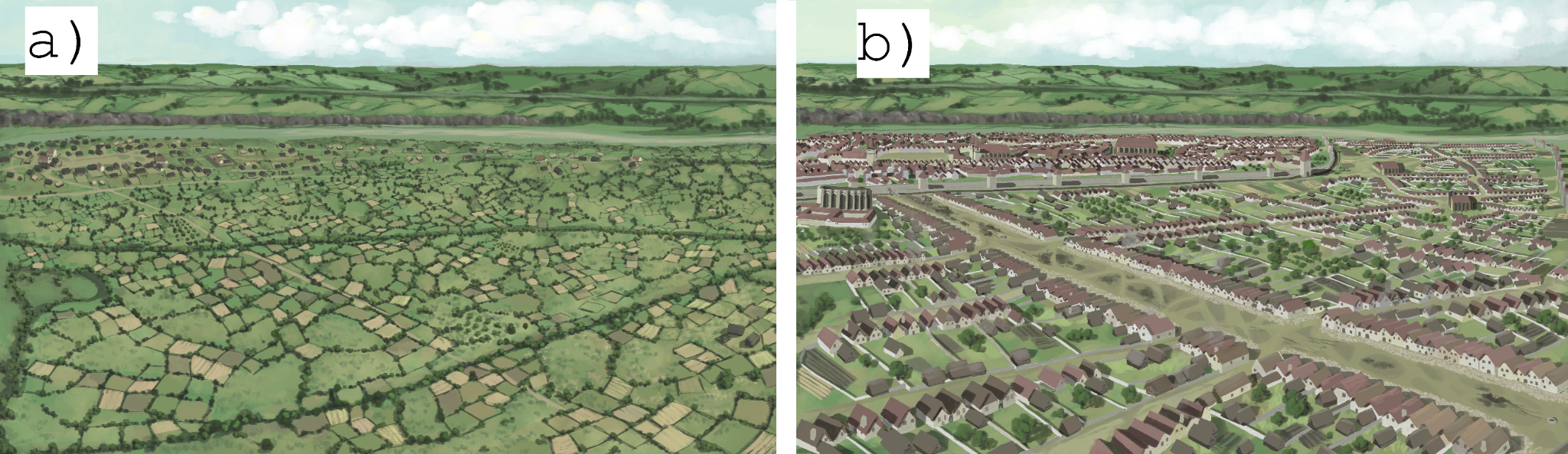
Urban layers and soils as a record of market activity, waste and long-term urbanisation.
Period · 12th–18th centuries
Main signal · waste and faecal inputs, metallurgy, run-off, urbanisation
Research sites
Each site represents a different type of soil, sedimentary or landscape archive.

Urban layers and soils as a record of market activity, waste and long-term urbanisation.
Period · 12th–18th centuries
Main signal · waste and faecal inputs, metallurgy, run-off, urbanisation

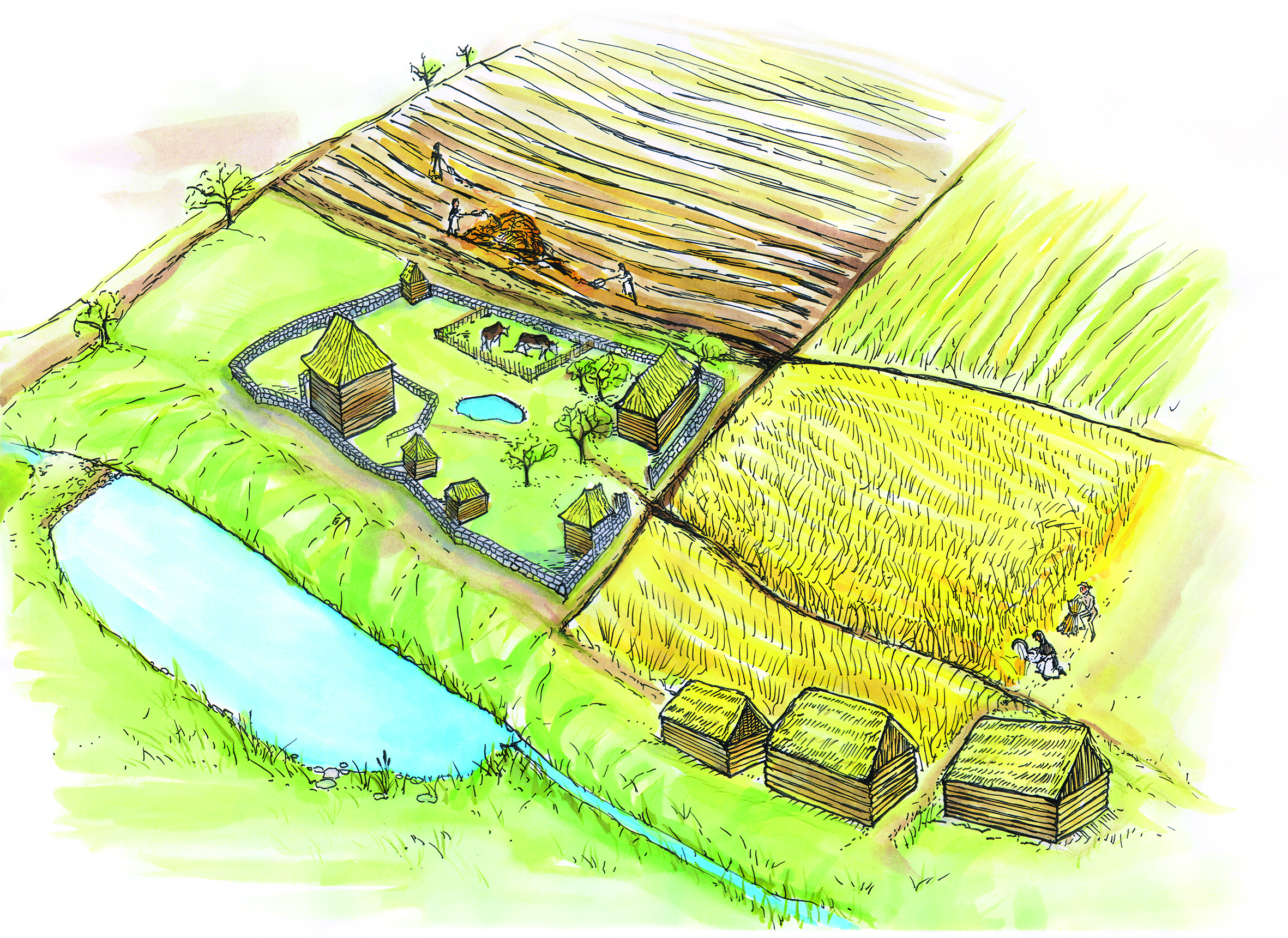
Medieval fields, manor and village hinterland as an archive of long-term land use.
Period · 13th–15th centuries
Main signal · cereal production, manuring and spatial organisation of the manor

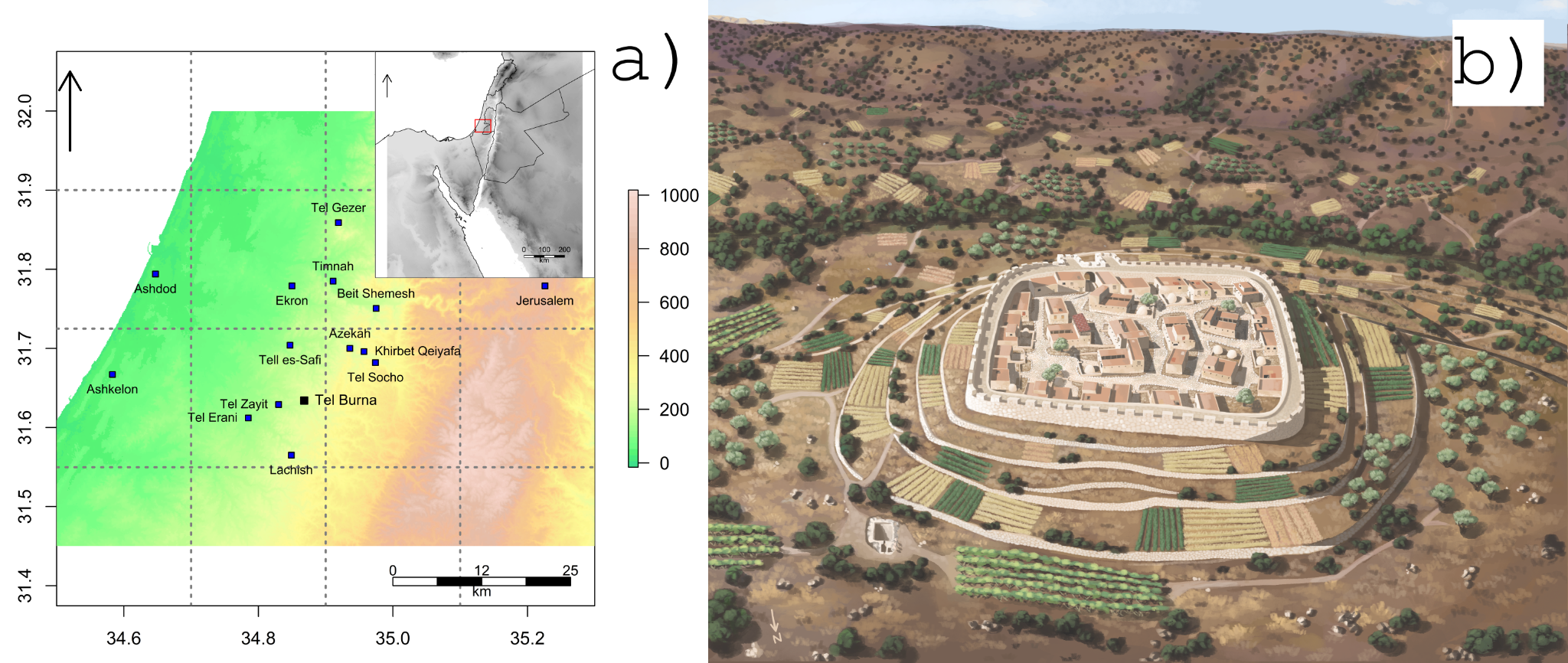
Settlement sediments and building materials in the urban environment of the southern Levant.
Period · Bronze to Iron Age
Main signal · mudbrick, destruction, activity areas and stratigraphic preservation

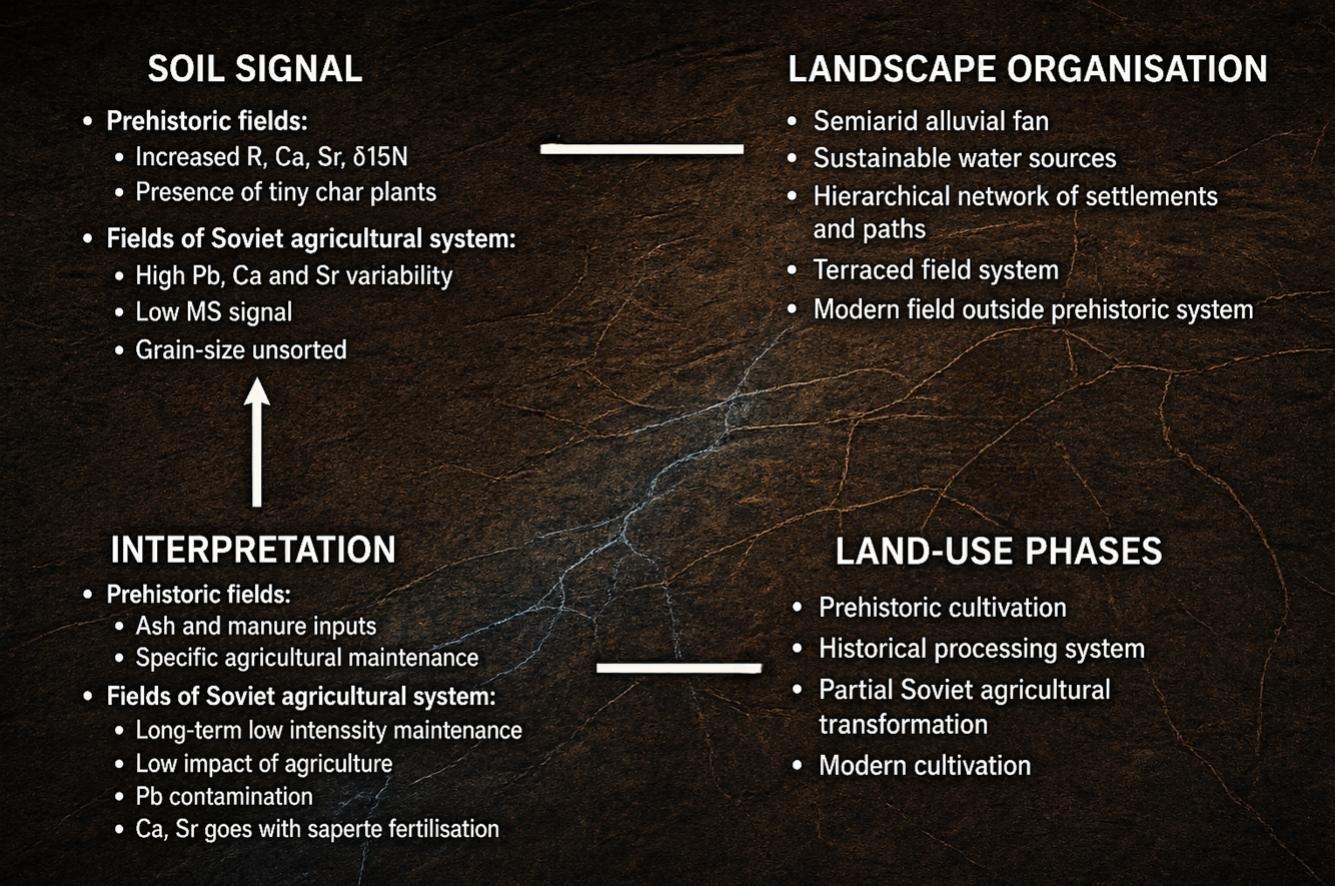
Irrigated and arid agricultural landscapes as a model of long-term soil transformation.
Period · prehistoric / Davan–Dayuan horizon
Main signal · organic manuring, C₄ crops, irrigation organisation

A deserted medieval village and its inner and outer landscape as a record of settlement and farming.
Period · medieval
Main signal · research in progress; results are not pre-empted

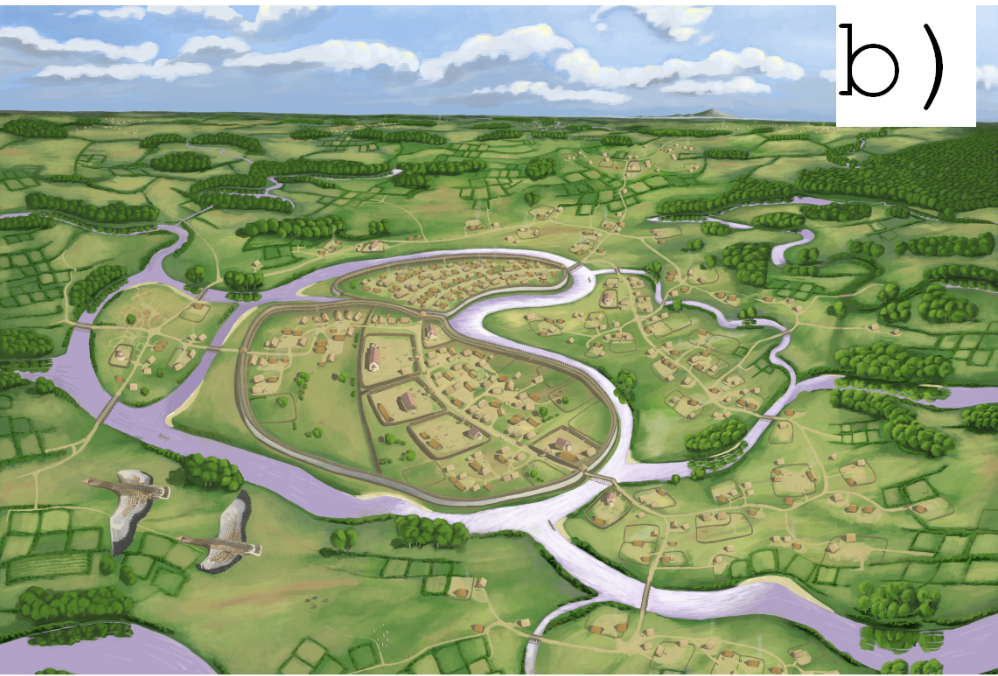
A Great Moravian centre in the Morava floodplain. The research shows how sandy ground preparation, settlement waste and soil processes contributed to the formation of Dark Earth in a wet environment.
Period · 9th century CE
Main signal · levelling of wet ground, waste, soil formation and bioturbation