What the site shows more broadly
Třebokov links settlement archaeology, monastic land management,
soil geochemistry and stable isotopes into one landscape-scale archive.
The site shows how a medieval agrarian landscape can remain visible
in terrain, soil properties and chemical signals long after abandonment
and reforestation.
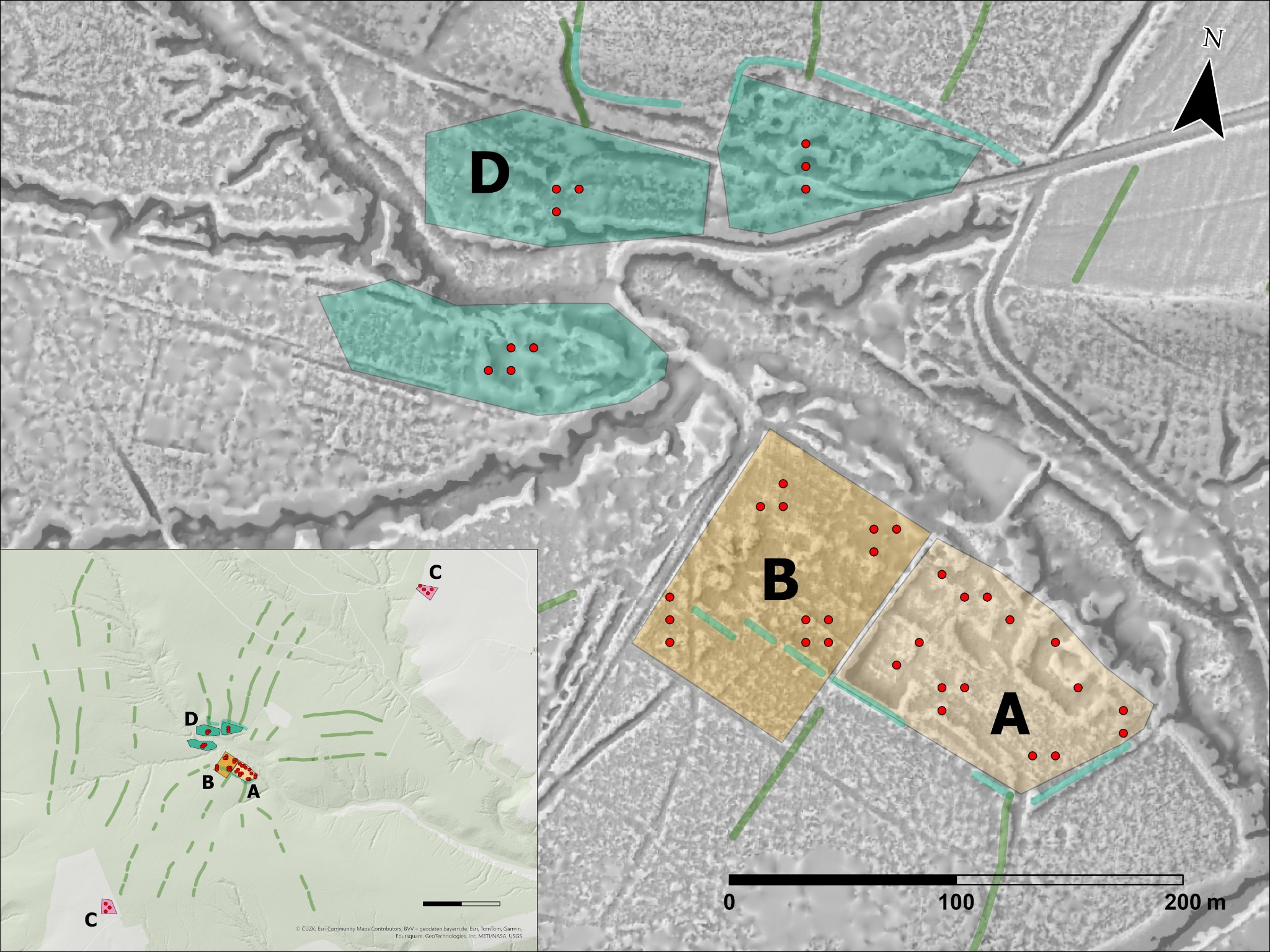
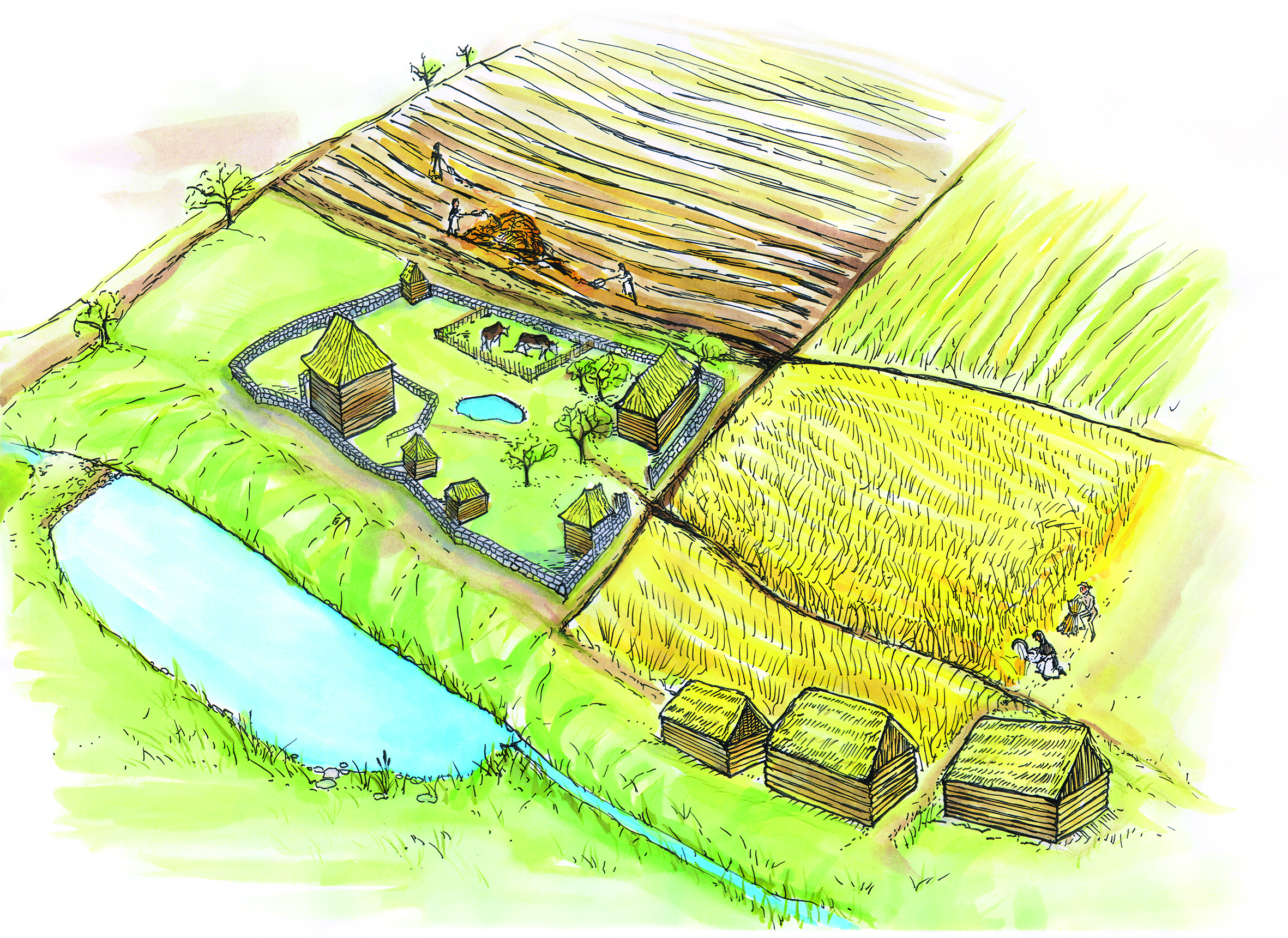
The former manor, relict fields and surrounding settlement zones are not
interpreted as isolated archaeological features. Together, they form a
long-term record of cultivation, manuring, woodland regeneration and
post-medieval landscape transformation.
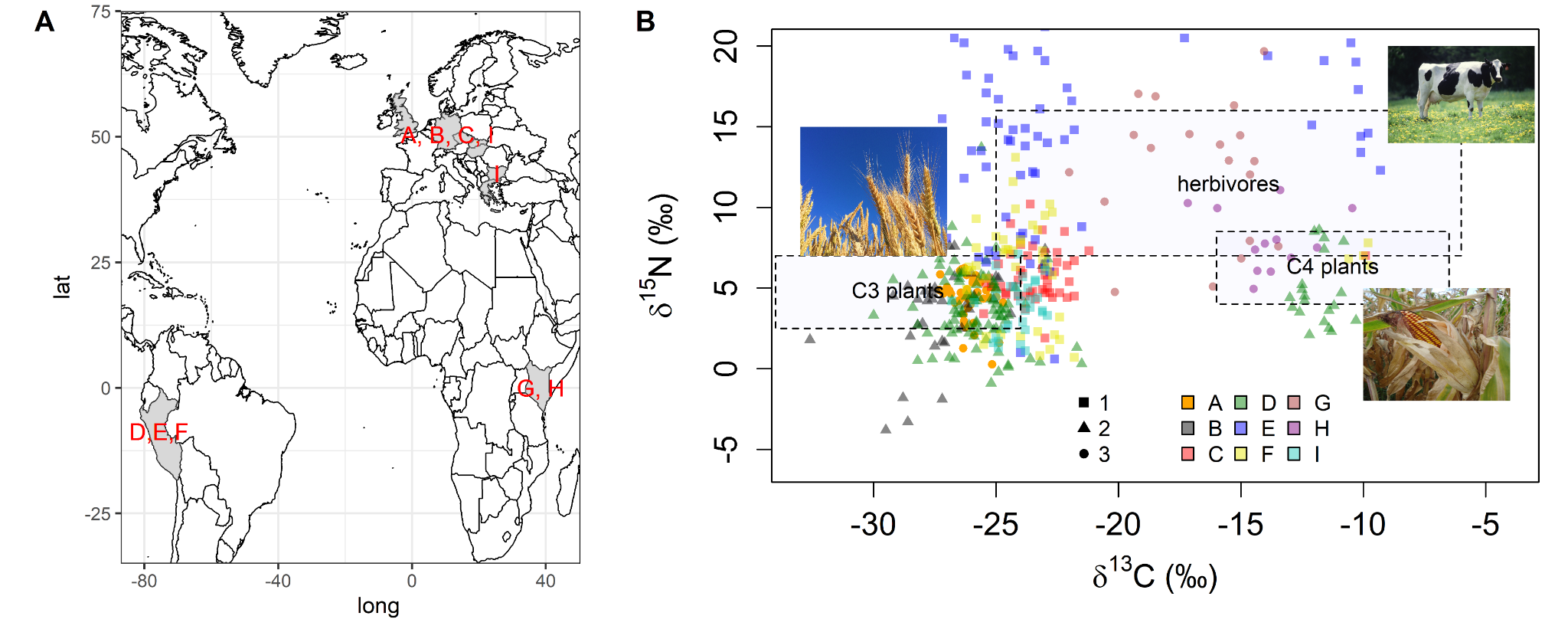
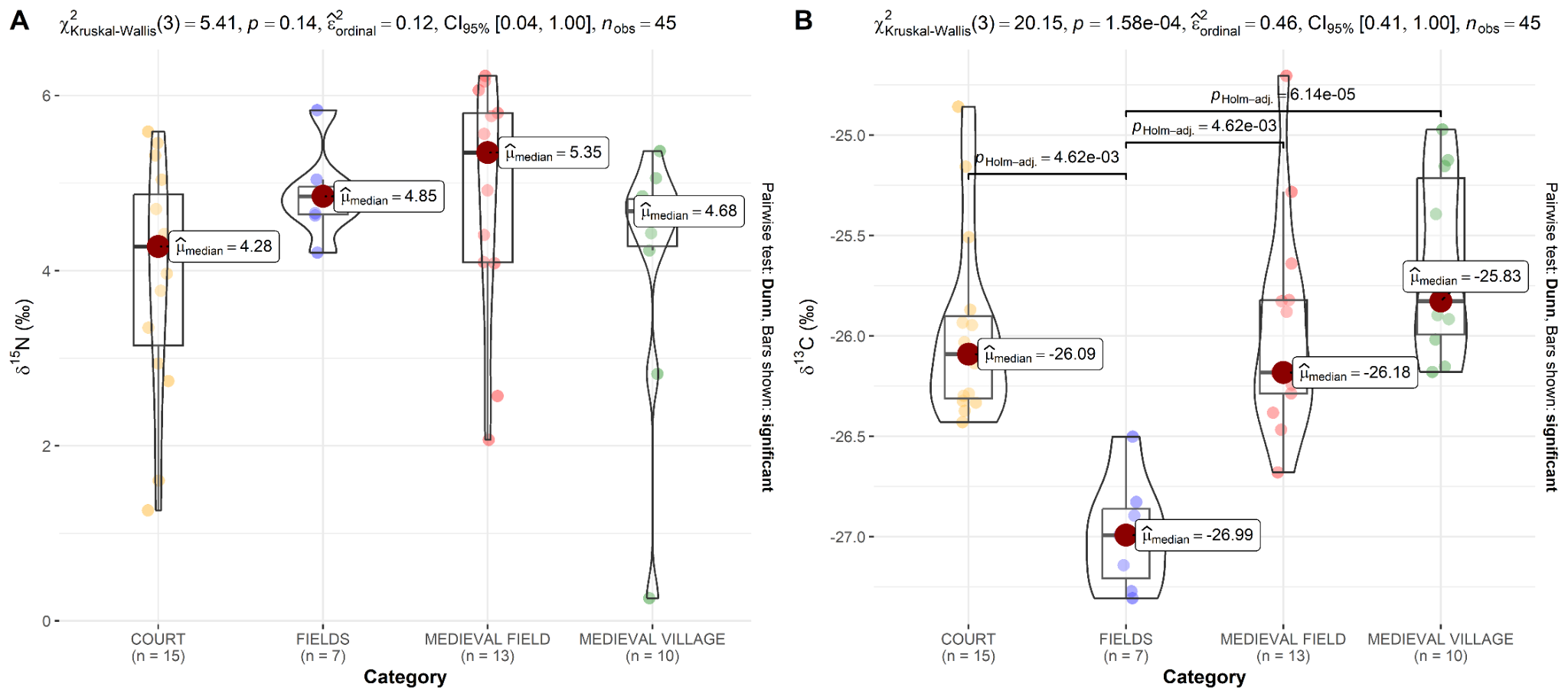
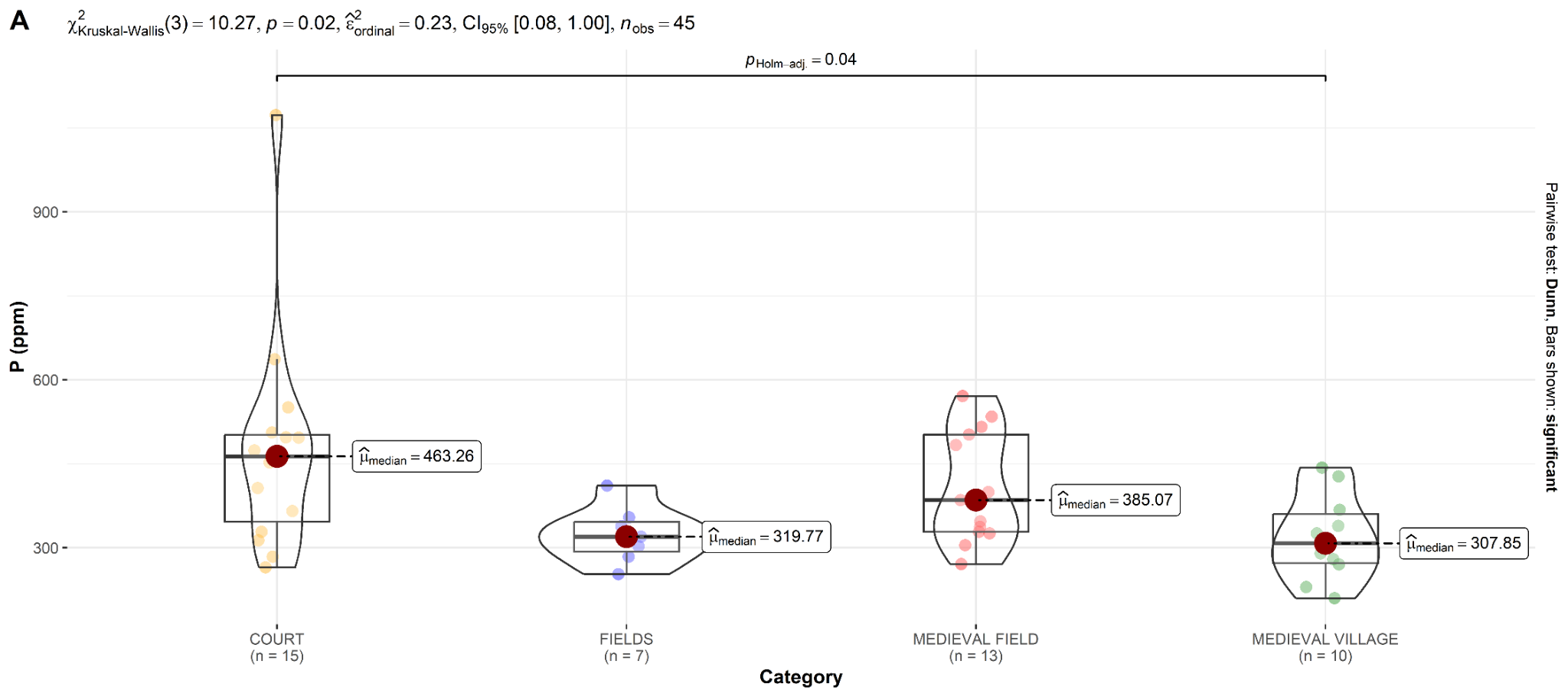
The key finding is that carbon and nitrogen isotope patterns remain preserved
in the soil more than 500 years after the end of medieval land use. This means
that the landscape retains a durable memory of former cultivation and management,
even after the fields disappeared from active use and were transformed into forest.