

Field research
Geochemistry of medieval ironworking near Budapest
Three days in an early and high medieval ironworking complex.
2026-07-01 · Nagykovácsi · Hungary
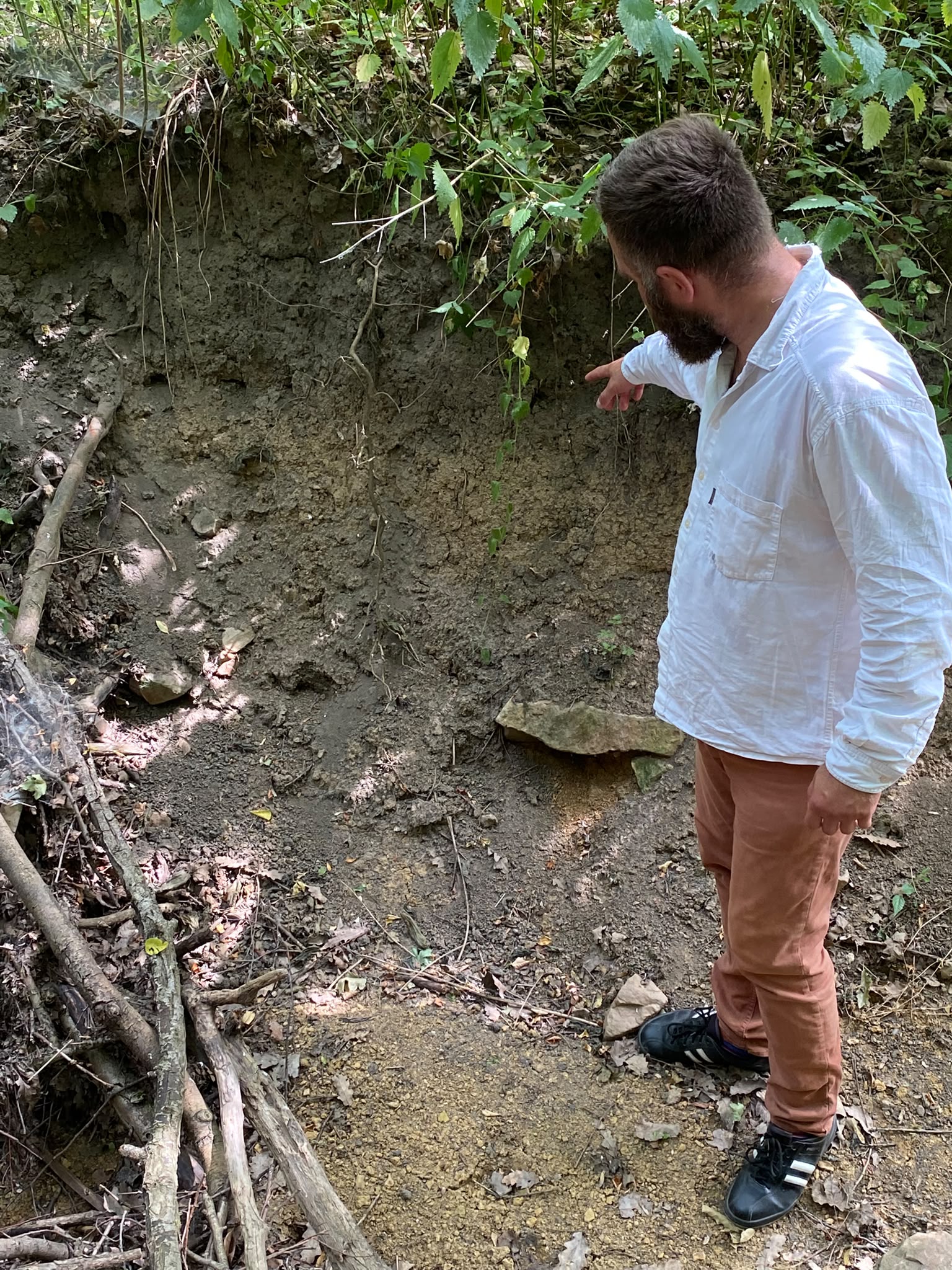
Sampling in Nagykovácsi
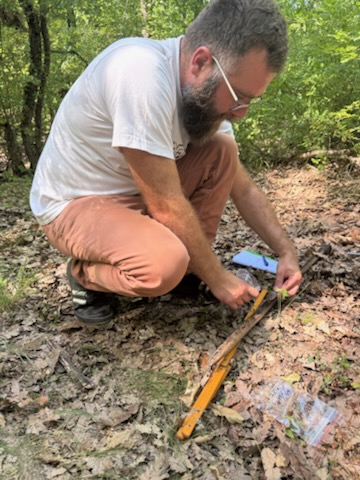
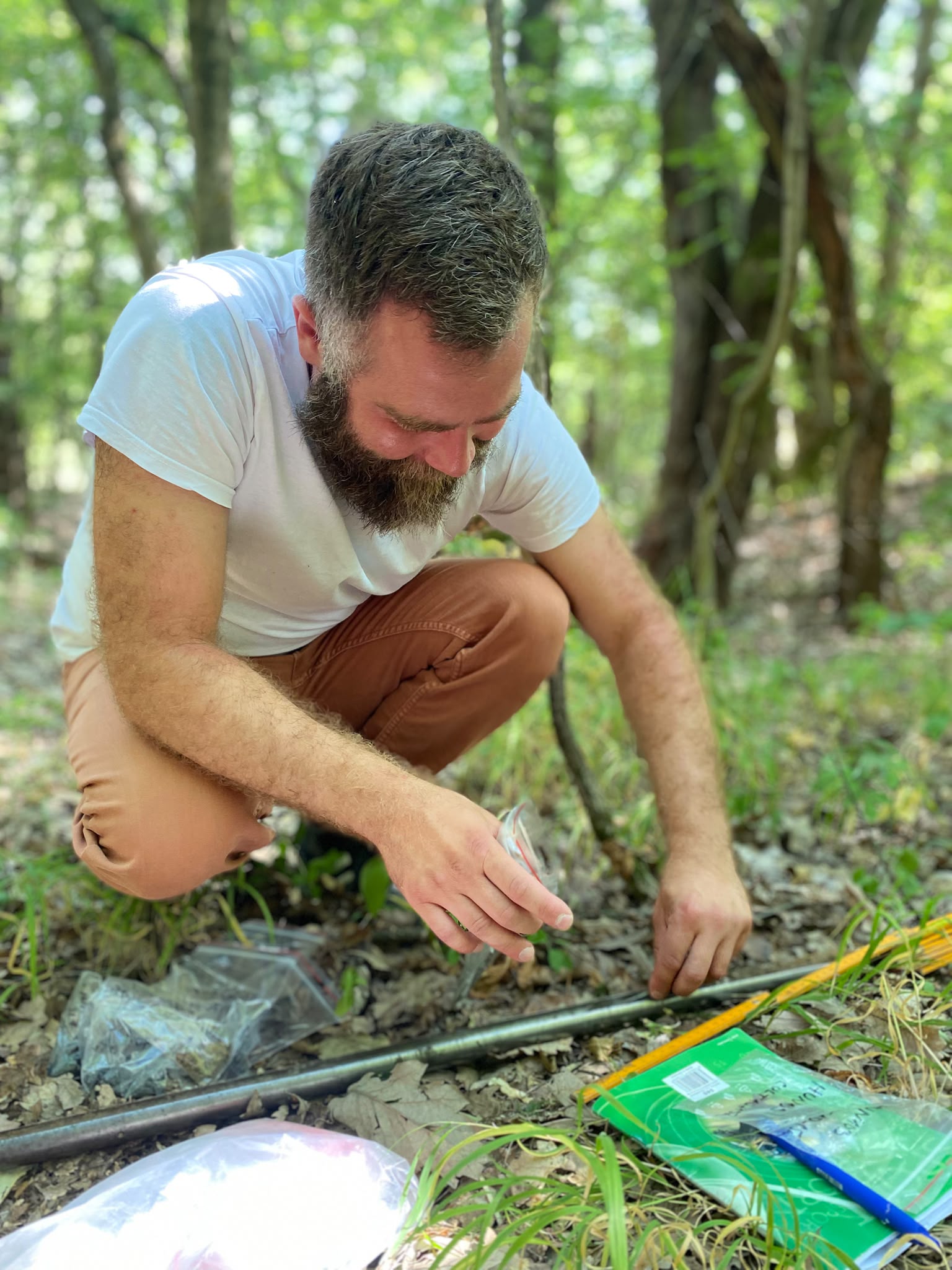
At Nagykovácsi, we investigated soils and sediments connected with medieval iron production and processing.
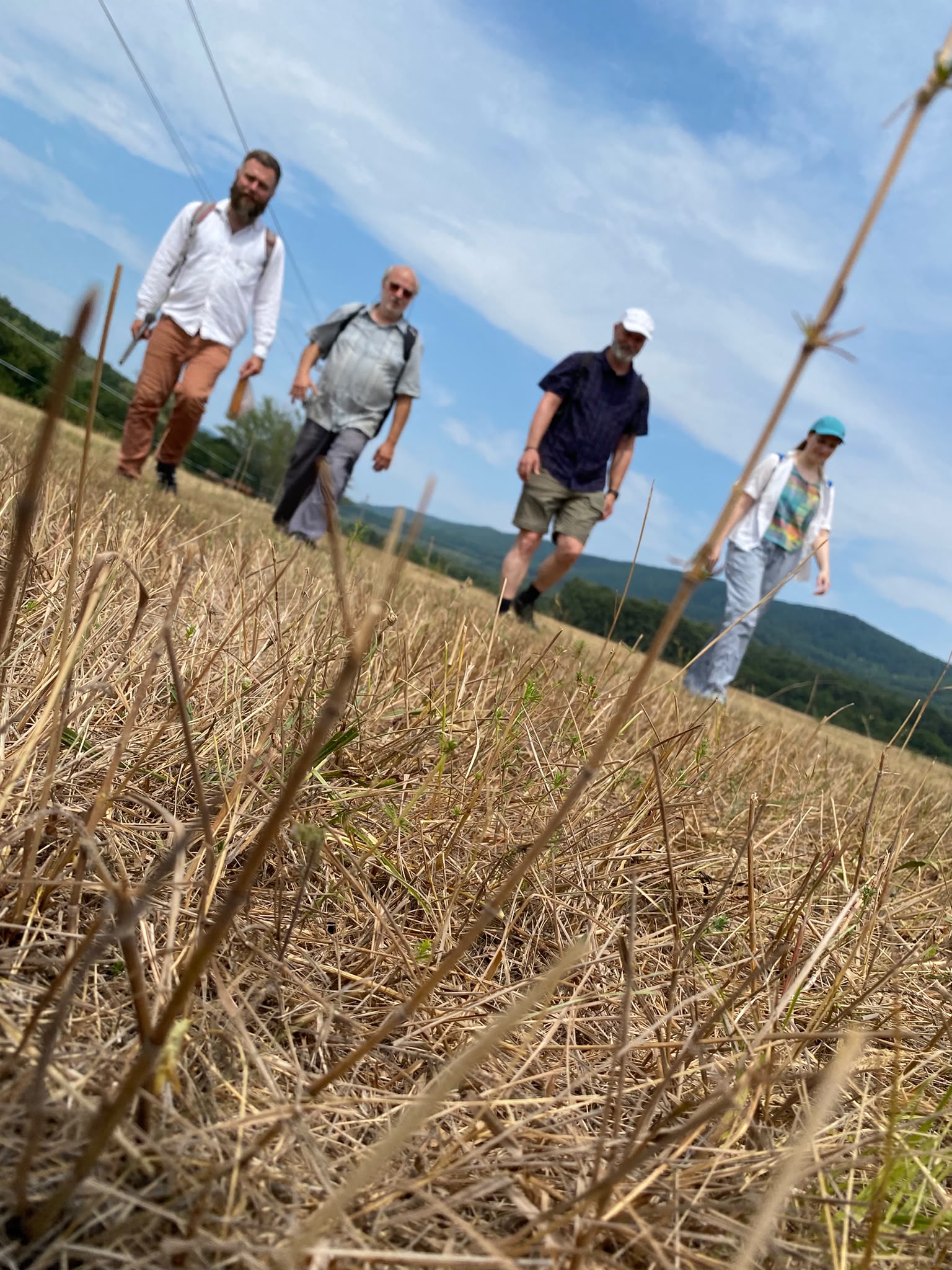
We spent three days in Nagykovácsi near Budapest, in a large early and high medieval ironworking complex. The fieldwork builds on research by Zoltán Kovács, who described the site as a well-preserved metallurgical complex in the forested landscape between Nagykovácsi and Solymár.
Our aim is to add a geochemical and environmental perspective to the archaeological record. We collected samples from different parts of the site to trace contamination, distinguish production areas, and compare ore extraction, roasting, smelting and final metalworking.
The samples still need to be analysed. The results should show whether different stages of production left distinct chemical signatures in soils and sediments and whether geochemistry can help reconstruct the production chain across the landscape.
The samples are still to be analysed. We focus on contamination, production zones and the production chain.
Location
Nagykovácsi and Solymár
The fieldwork took place in the forested landscape between Nagykovácsi and Solymár, north-west of Budapest. The area preserves traces of ore extraction, roasting, smelting and further ironworking.
- approximate area: forest zone between Nagykovácsi, Solymár and Remeteszőlős
- research topic: medieval metallurgy and its geochemical footprint
- aim: distinguish production zones and trace soil contamination
Research questions
- How are different stages of iron working reflected in soil geochemistry?
- Can areas associated with extraction, roasting, smelting and forging be distinguished?
- How far does contamination extend beyond the production features?
- Which elements best record the long-term footprint of metallurgical activity?
- How did production waste interact with natural soil and sedimentary processes?
What we trace
- geochemistry of metallurgy
- environmental footprint of iron production
- contamination
- differences between production areas
- reconstruction of the production chain
Preliminary results
During the three-day campaign, we collected samples from production areas, sediment profiles and their surroundings.
Current work
The samples are now being processed in the laboratory, followed by geochemical analysis and integration with the archaeological documentation of the site.
Fieldwork
Reference study
History Behind a Name: Nagykovácsi, an Ironworking Village
Zoltán Kovács ·
DOI: https://doi.org/10.36338/ha.2024.1.5
Open PDF ↗